
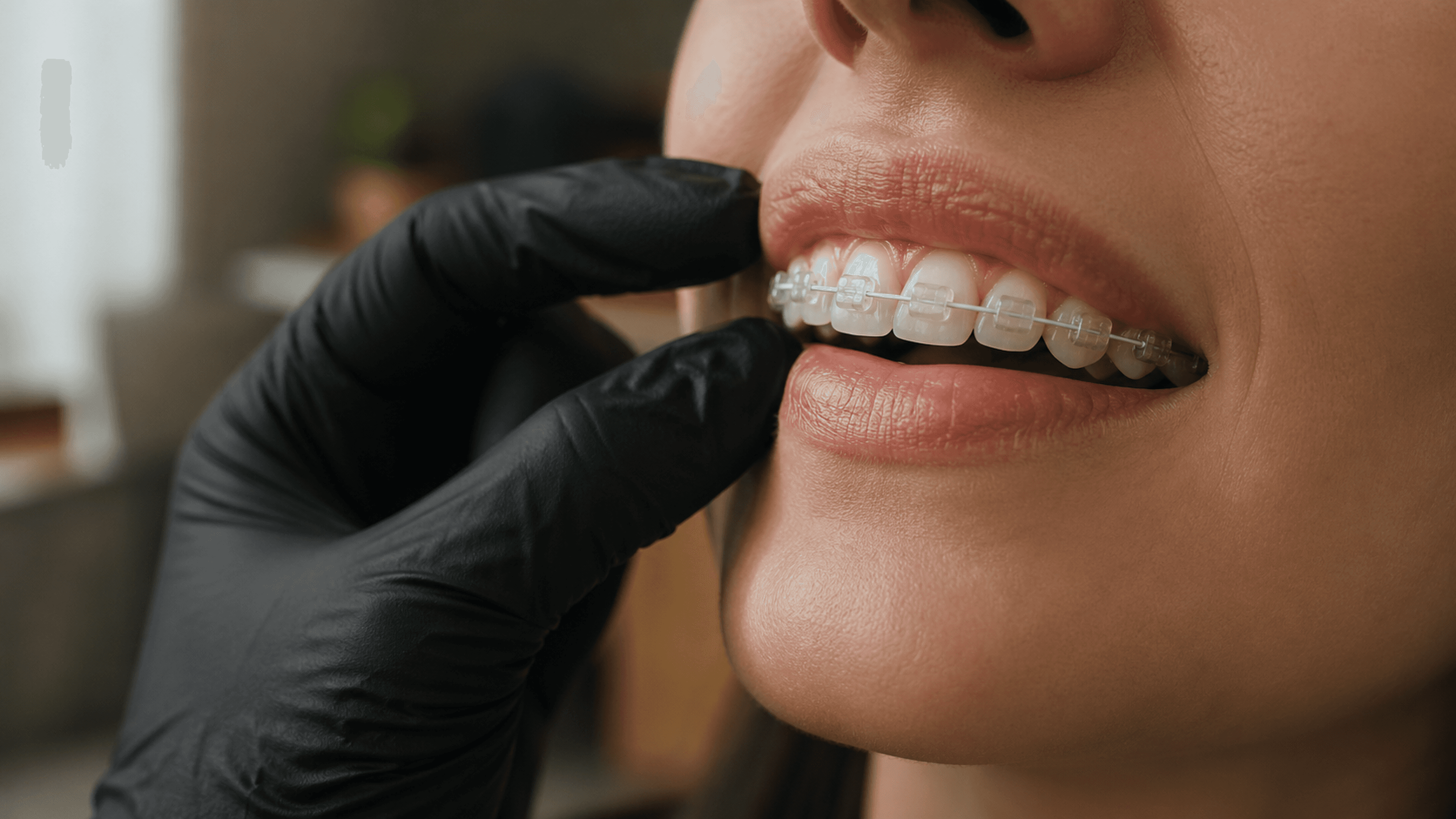
A straighter smile is only part of the story
When people think about dental alignment, they often think first about appearance. A straighter smile can absolutely improve confidence, but alignment is not only a cosmetic issue. The way your teeth meet, move, and support each other affects how comfortably you chew, how easily you clean your mouth, and how your teeth wear down over time. Good alignment helps the whole mouth work as a system, not just look better in photos.
Alignment affects everyday function
Your teeth are designed to work together. When the bite is balanced, chewing feels natural and pressure is spread more evenly across the teeth. When teeth are crowded, rotated, or the bite does not meet properly, certain teeth can take more force than they should. Over time, this may contribute to enamel wear, sensitivity, small cracks, jaw discomfort, or tiredness in the chewing muscles. Orthodontic care is often about improving this daily function, not simply changing the shape of a smile. The American Association of Orthodontists notes that a good bite makes it easier to bite, chew, and speak, while misaligned teeth can be harder to clean and more prone to abnormal enamel wear.
Straighter teeth are easier to keep clean
Crowded or overlapping teeth create tight spaces where plaque can build up more easily. Even with good brushing habits, it can be difficult to reach every surface when teeth are not well aligned. Flossing can also become harder if teeth are too tight or positioned awkwardly. When teeth are better aligned, daily hygiene becomes simpler and more effective. This matters because plaque contributes to cavities and gum disease if it is not removed regularly. The ADA explains that plaque can harden into tartar, making teeth more difficult to keep clean.
Bite problems can become long-term problems
A small alignment issue may not feel urgent at first. Many people get used to chewing on one side, avoiding certain foods, or ignoring minor jaw tension. But the mouth adapts, and those adaptations are not always healthy. If one area of the mouth carries too much pressure, the teeth, gums, and jaw joints may compensate. That is why dentists look not only at individual teeth, but also at the relationship between the upper and lower jaws, the wear patterns on enamel, and the way the bite moves during normal function.
Alignment can support confidence without making it superficial
There is nothing shallow about wanting to feel confident when you smile. But the best dental treatment does not treat confidence and health as separate things. A smile that looks balanced often feels better to use, is easier to maintain, and supports long-term oral health. For many patients, this is the real value of alignment. It gives them a smile they are proud of, but also a mouth that works better every day.
A healthy smile should feel as good as it looks
At Dentry, alignment is not viewed as a quick visual upgrade. It is part of a bigger picture that includes comfort, hygiene, function, and prevention. Whether someone is considering clear aligners, orthodontic advice, or a general dental check-up, the goal is to understand what is happening beneath the surface. A beautiful smile is important, but a healthy, stable, easy-to-maintain smile is even more valuable.
A straighter smile is only part of the story
When people think about dental alignment, they often think first about appearance. A straighter smile can absolutely improve confidence, but alignment is not only a cosmetic issue. The way your teeth meet, move, and support each other affects how comfortably you chew, how easily you clean your mouth, and how your teeth wear down over time. Good alignment helps the whole mouth work as a system, not just look better in photos.
Alignment affects everyday function
Your teeth are designed to work together. When the bite is balanced, chewing feels natural and pressure is spread more evenly across the teeth. When teeth are crowded, rotated, or the bite does not meet properly, certain teeth can take more force than they should. Over time, this may contribute to enamel wear, sensitivity, small cracks, jaw discomfort, or tiredness in the chewing muscles. Orthodontic care is often about improving this daily function, not simply changing the shape of a smile. The American Association of Orthodontists notes that a good bite makes it easier to bite, chew, and speak, while misaligned teeth can be harder to clean and more prone to abnormal enamel wear.
Straighter teeth are easier to keep clean
Crowded or overlapping teeth create tight spaces where plaque can build up more easily. Even with good brushing habits, it can be difficult to reach every surface when teeth are not well aligned. Flossing can also become harder if teeth are too tight or positioned awkwardly. When teeth are better aligned, daily hygiene becomes simpler and more effective. This matters because plaque contributes to cavities and gum disease if it is not removed regularly. The ADA explains that plaque can harden into tartar, making teeth more difficult to keep clean.
Bite problems can become long-term problems
A small alignment issue may not feel urgent at first. Many people get used to chewing on one side, avoiding certain foods, or ignoring minor jaw tension. But the mouth adapts, and those adaptations are not always healthy. If one area of the mouth carries too much pressure, the teeth, gums, and jaw joints may compensate. That is why dentists look not only at individual teeth, but also at the relationship between the upper and lower jaws, the wear patterns on enamel, and the way the bite moves during normal function.
Alignment can support confidence without making it superficial
There is nothing shallow about wanting to feel confident when you smile. But the best dental treatment does not treat confidence and health as separate things. A smile that looks balanced often feels better to use, is easier to maintain, and supports long-term oral health. For many patients, this is the real value of alignment. It gives them a smile they are proud of, but also a mouth that works better every day.
A healthy smile should feel as good as it looks
At Dentry, alignment is not viewed as a quick visual upgrade. It is part of a bigger picture that includes comfort, hygiene, function, and prevention. Whether someone is considering clear aligners, orthodontic advice, or a general dental check-up, the goal is to understand what is happening beneath the surface. A beautiful smile is important, but a healthy, stable, easy-to-maintain smile is even more valuable.